Raffia Bag Crochet Tutorial: Easily Create Your Trendy Beach Basket
Crochet Raffia Bag: The Complete Tutorial for the Summer's Star Accessory
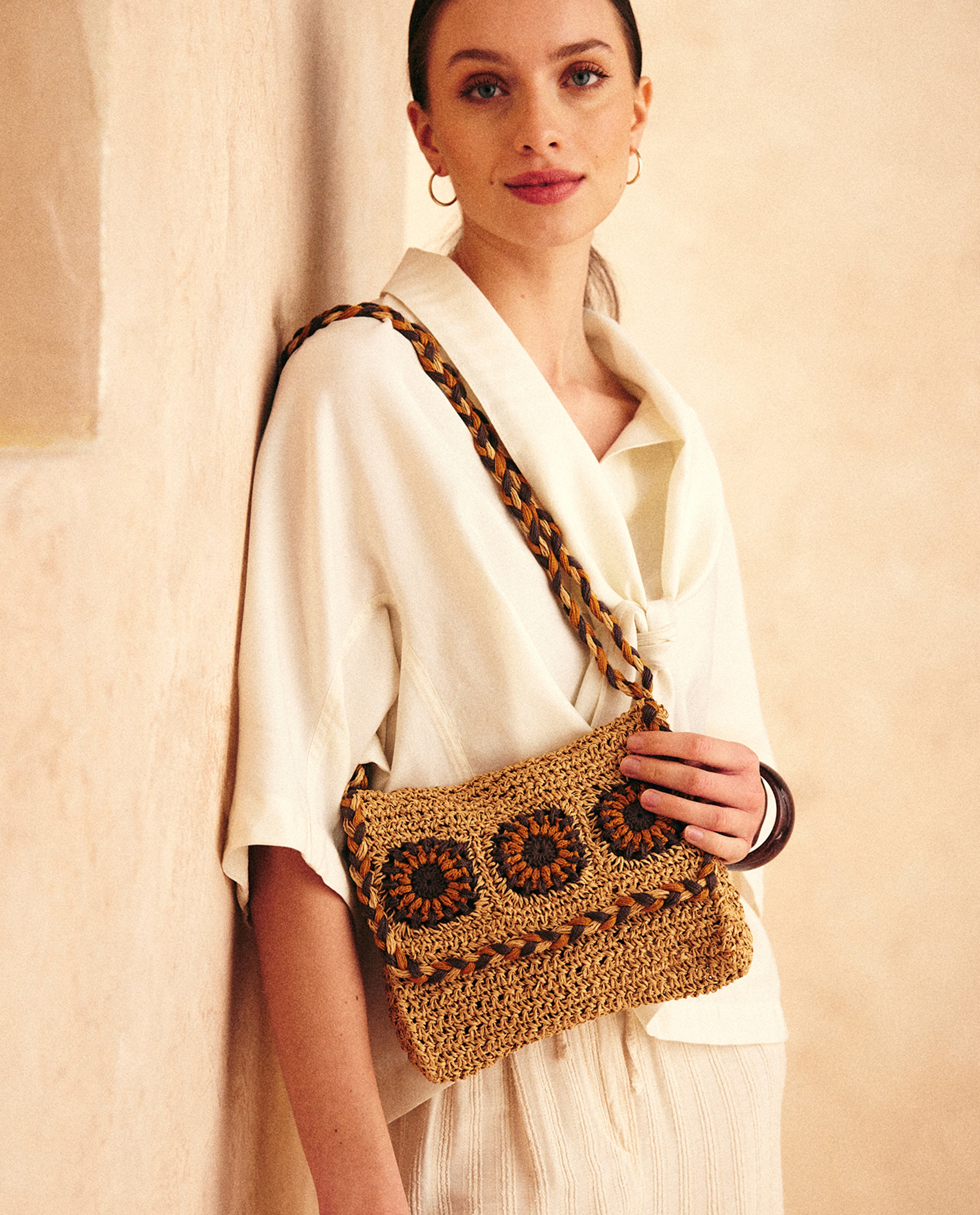
Some accessories never go out of fashion. The raffia bag is one of them. Every spring, it makes a return on arms, shoulders, beaches, markets. And every year, we fall a little more under the charm of its raw and warm texture.
Good news: you can crochet your own. For €20 to €35 of yarn and a few evenings of crocheting, you get a bag that shops sell for between €80 and €150, exactly to your size and taste. We'll show you how to do it, step by step.
Why Crochet Your Own Raffia Bag
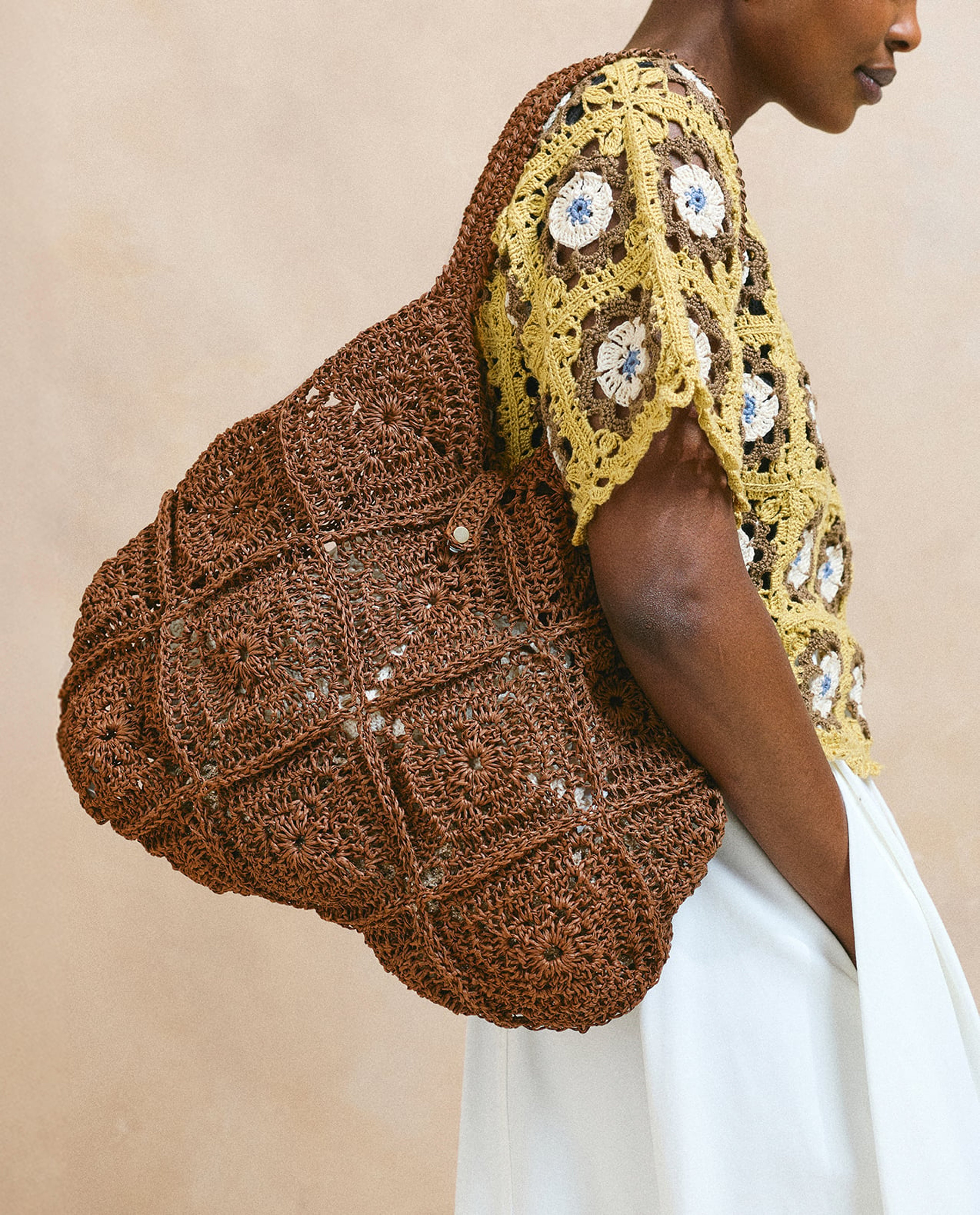
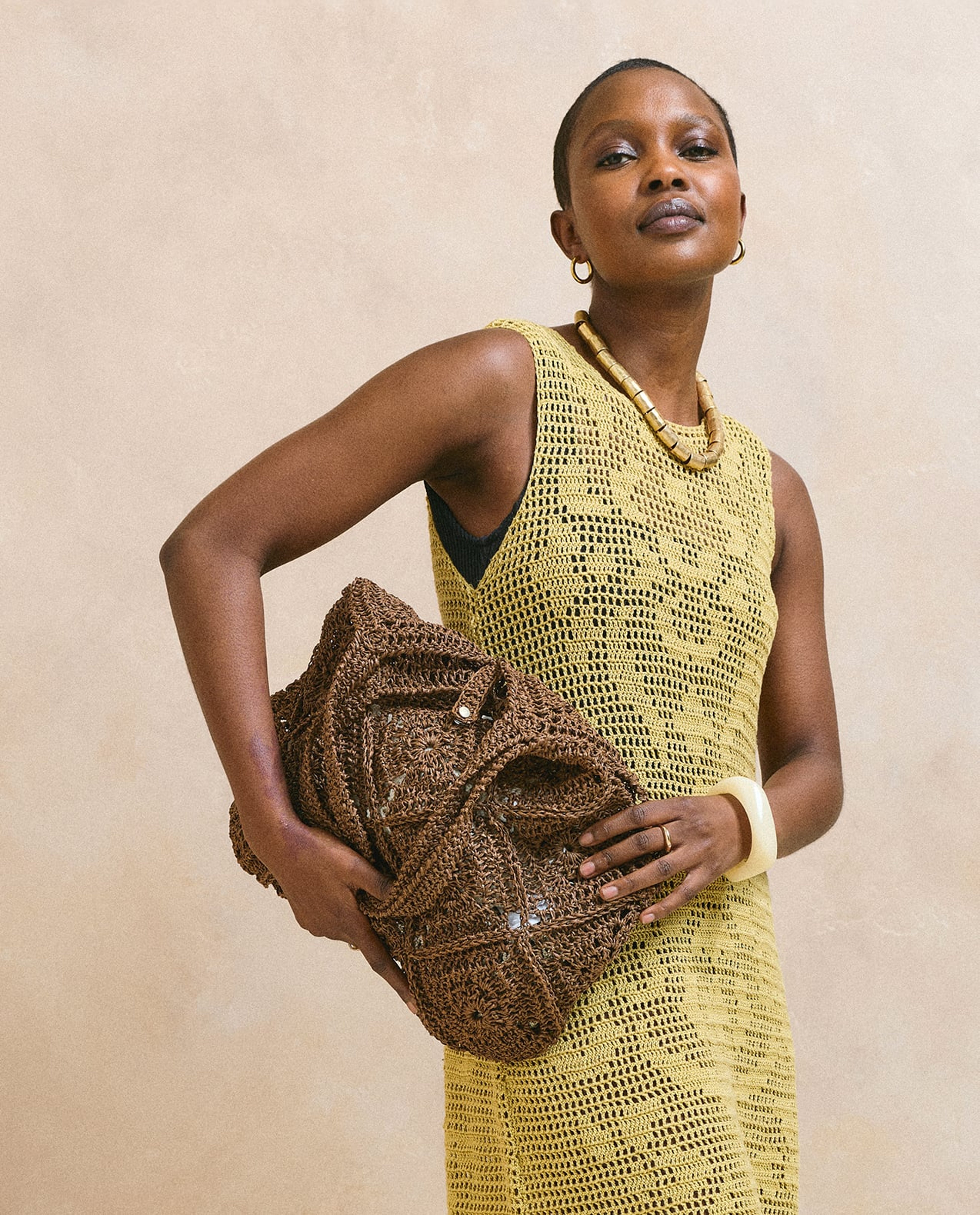
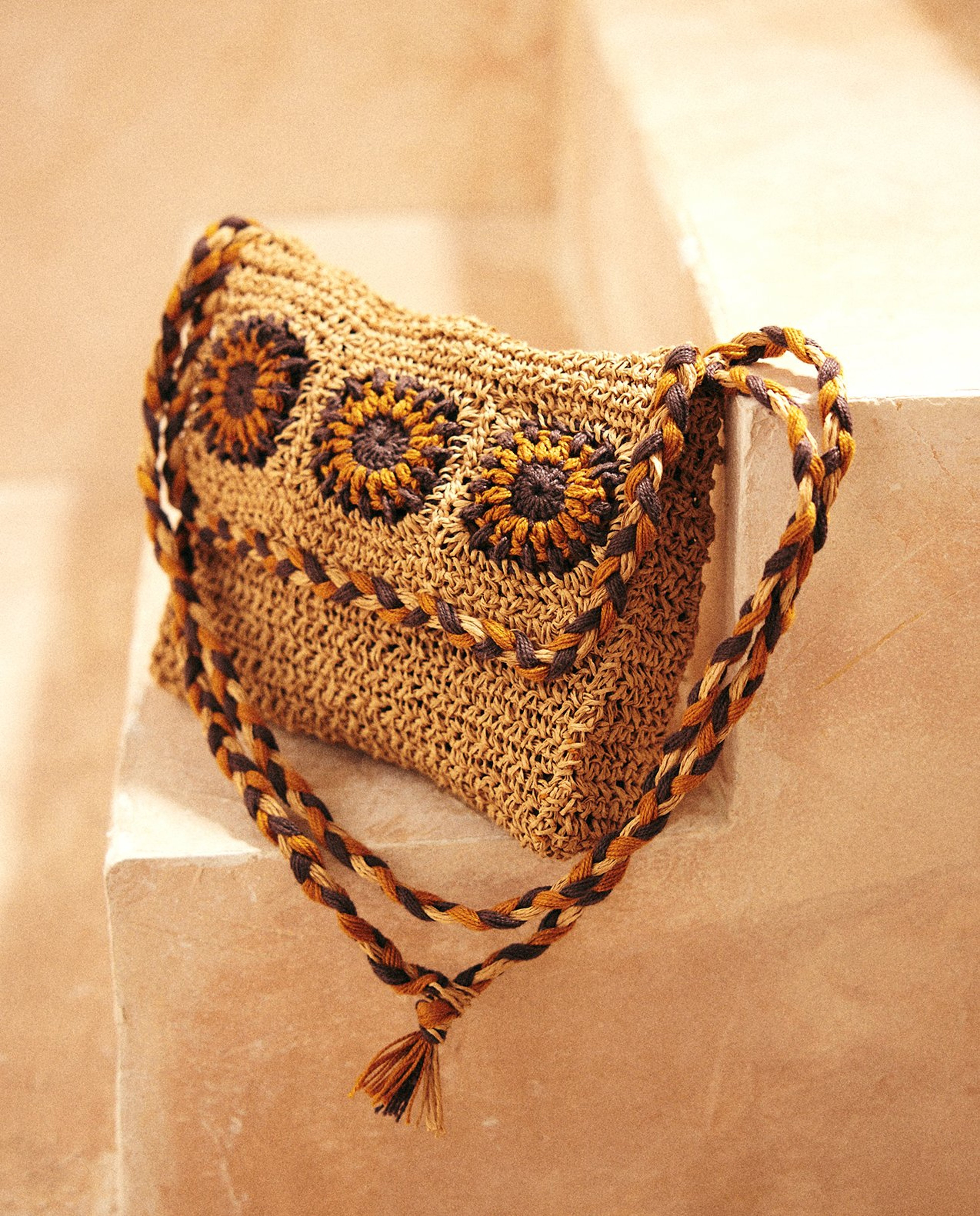
Raffia brings a rustic and chic texture that no other fiber can truly replicate. Its natural stiffness effortlessly structures the bag, and every little irregularity tells that it's genuinely handmade, not smooth industrial. It's also a bag that goes everywhere: beach, market, picnic, city stroll. From May to September, it quickly becomes the accessory you grab without a thought when leaving home.
And in terms of crochet project, it's rather quick. Count 8 to 15 hours depending on the model. Easily doable in a week of holidays or a few cozy evenings on the sofa.
The Necessary Equipment
Regarding raffia, two options. The natural raffia brings a very authentic touch but is capricious: it sometimes breaks, thickness varies. The synthetic raffia (often braided paper) is more consistent, stronger, and glides better under the hook. If it's your first raffia bag, go for synthetic. You'll find crochet-specific references at Phildar and Pingouin.
For a standard bag of 35 × 30 × 15 cm, plan 200 to 300 g of raffia. Always buy an extra ball than your estimation: dye baths vary, and it's a miracle to find exactly the same shade later.
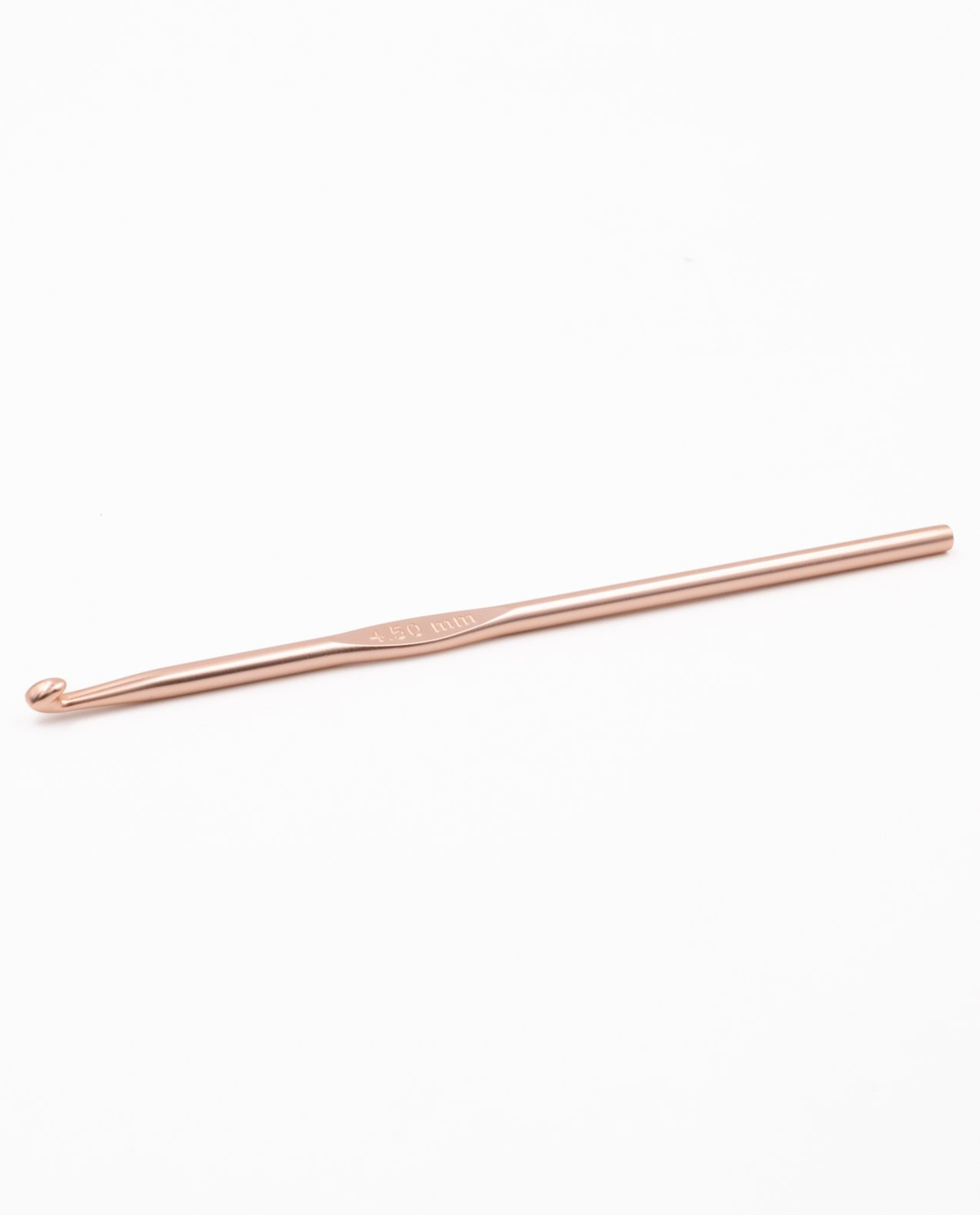
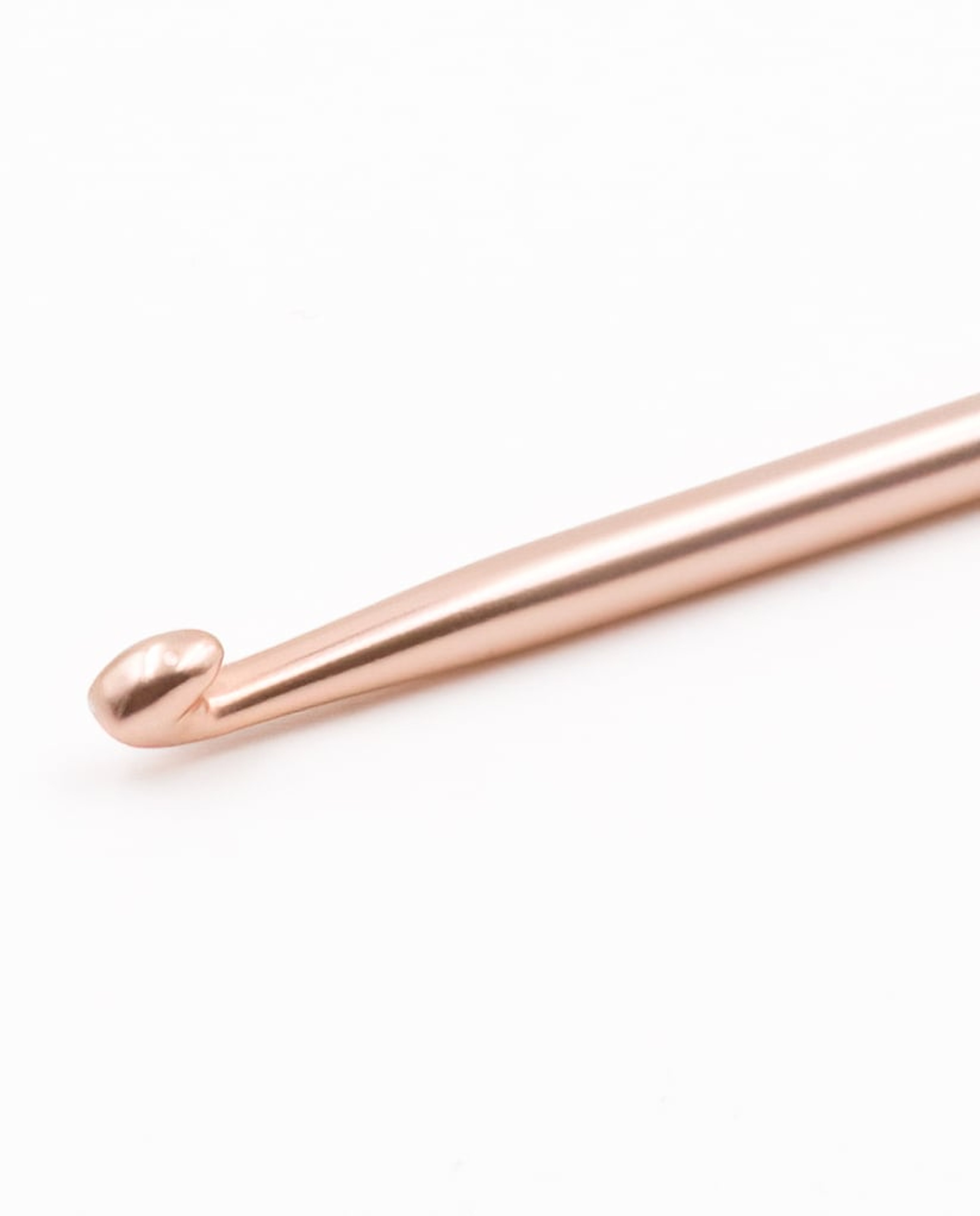
For crochet, choose one size up than what the yarn thickness suggests (4 to 5 mm for fine raffia, 5 to 6 mm for medium). This avoids tightness and facilitates passing through stitches. A hook with a rounded head in metal or bamboo works very well.
Add scissors, a yarn needle, a tape measure, and if you want a truly finished bag: fabric for the inner lining. All the necessities can be found in our haberdashery.
Raffia-Suitable Crochet Stitches
Single crochet is your best ally for this project. It creates a dense and structured fabric, perfect for a basket. Nothing shows through, everything holds its shape. It's a bit longer than with double crochet (count 12 to 15 hours versus 6 to 8), but the solidity of the result more than compensates.
Double crochet is suitable if you aim for a more airy look, like a net. Beware, an open weave necessarily needs a lining, otherwise your keys and phone slip through the stitches.
Textured stitches (star, jasmine, bobble) add relief and personality. On raffia, these textures catch the light and really make a difference compared to a basic bag. They require a bit more concentration, but the result is worth the effort.
Step-by-Step Tutorial for the Classic Raffia Bag
The base. For a rectangular base of 30 × 15 cm, chain 30 stitches. Crochet single stitches into each stitch. At the end of the chain, make 3 stitches in the last one to turn the corner, then continue along the underside. Close with a slip stitch. Make 2 to 3 additional rounds, increasing at the corners. Regularly place your base flat: it should remain very straight, without warping.
The sides. Once the base is finished, simply continue in rounds, without increasing. The stitches rise by themselves and form the walls. Place a marker at the start of each round. Aim for 25 to 30 cm in height for a beach bag. Check every 5 or 6 rounds that the circumference remains constant.
The border. After reaching the right height, make 2 to 3 extra rows of single crochet to thicken the top of the bag. This border prevents the opening from sagging. You can add a row of picots or shells for a more feminine finish.
The handles. Two options: crochet them (chain of 60 to 80 stitches, thickened over 2 or 3 rows) or buy ready-made ones (bamboo, leather, metal). In either case, generously reinforce the attachment points. Handles are the weak point of a raffia bag: better to over-strengthen than under-strengthen.
Personalize Your Bag
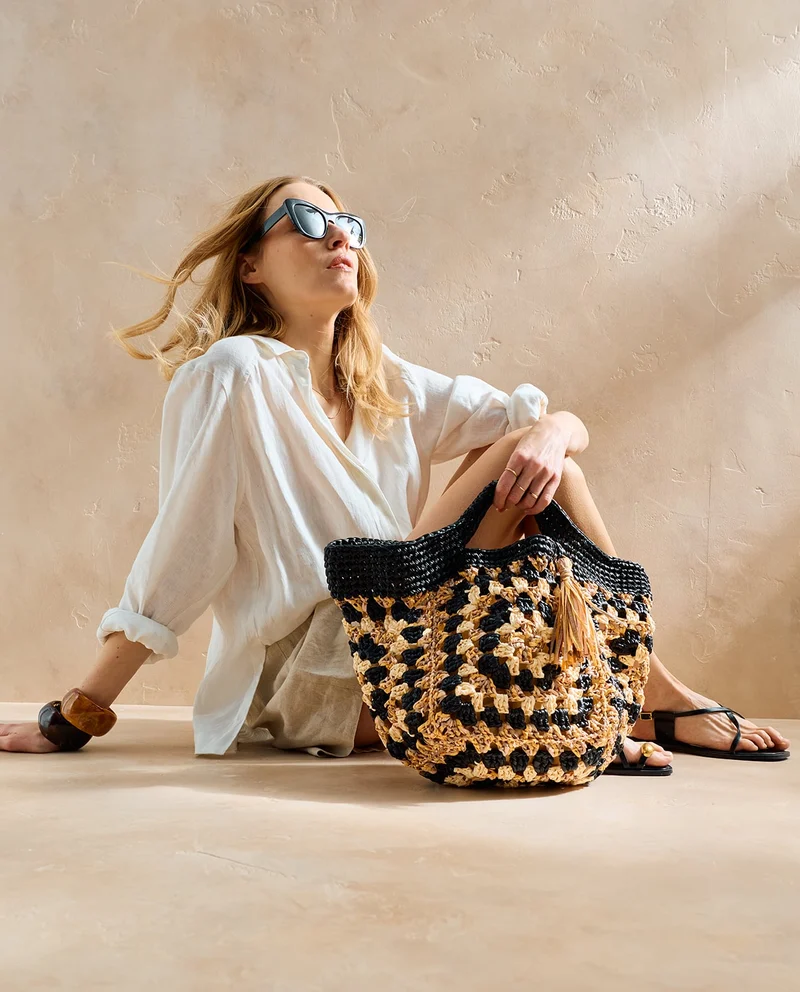
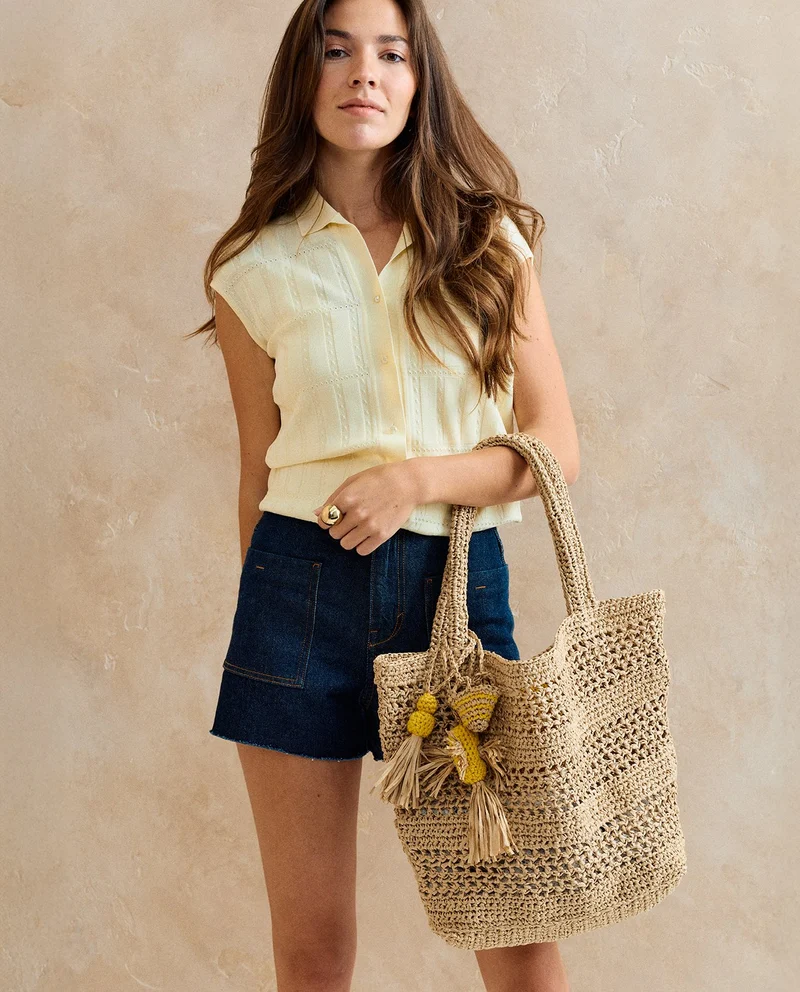
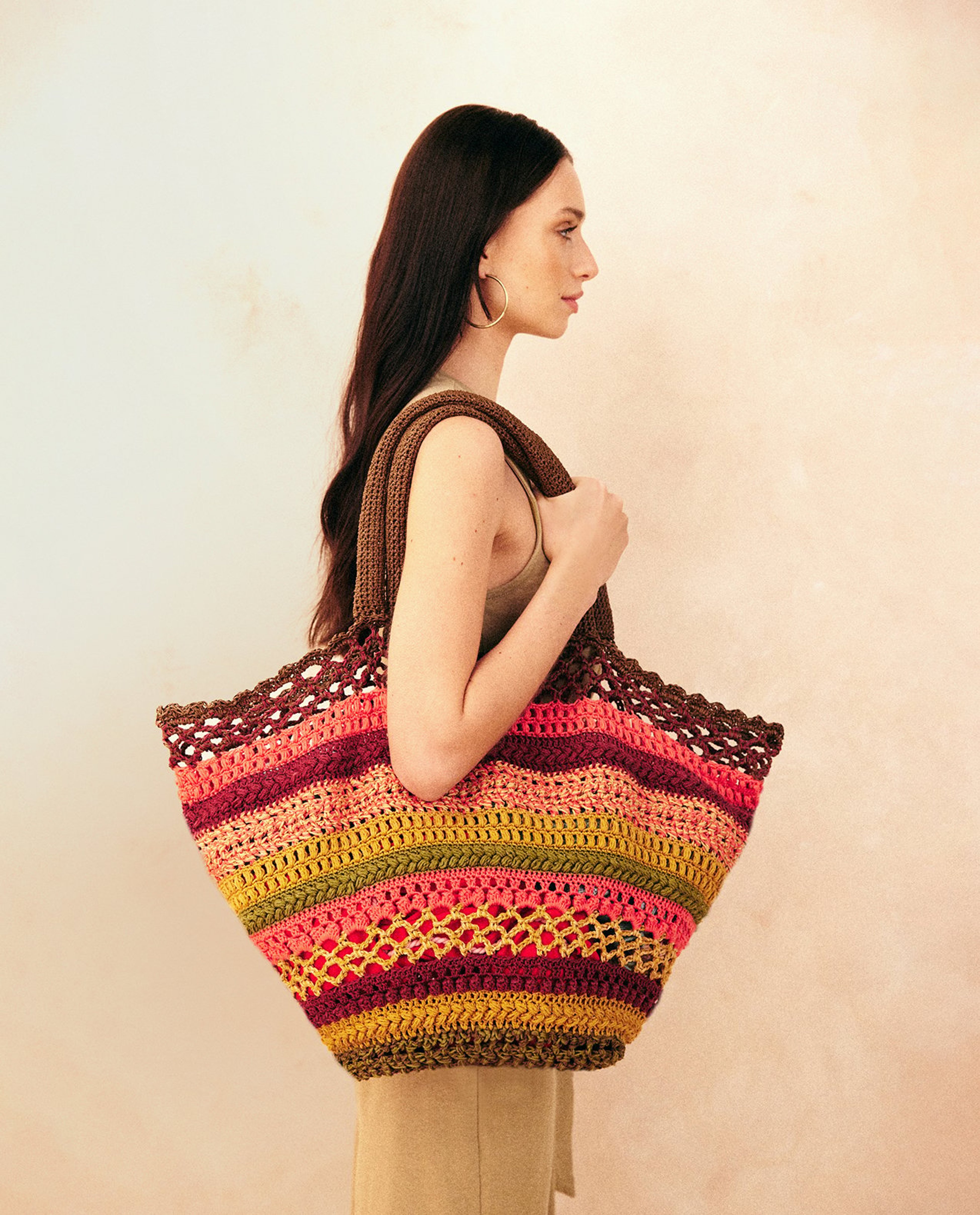
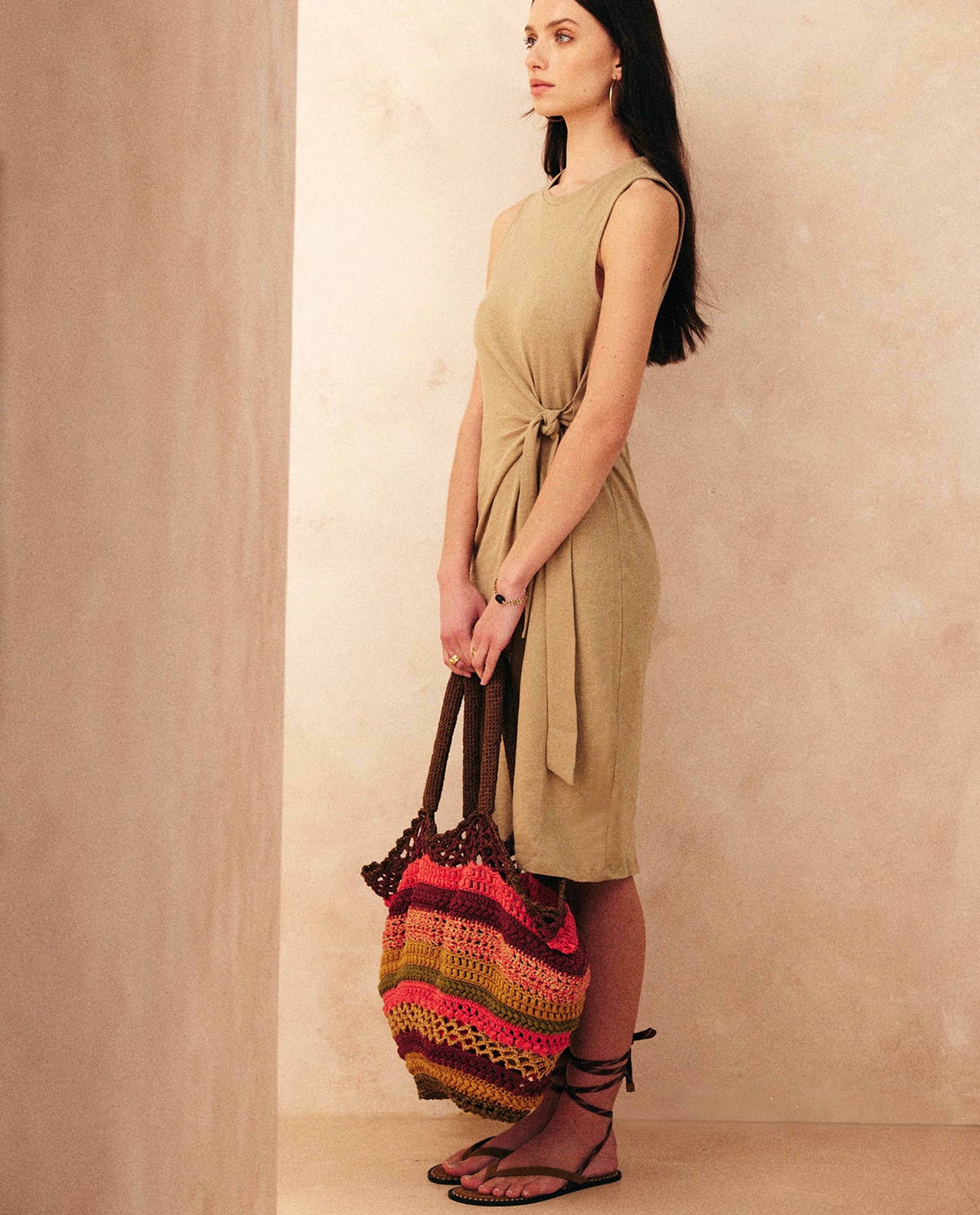
A plain raffia bag is beautiful. A personalized raffia bag is irresistible. Some ideas: colourful pom-poms sewn onto the handles (red, fuchsia, turquoise), fringes made of raffia affixed at the bottom of the bag with lark's head knots, a play of colours in horizontal stripes or color-block (natural body, terracotta border). And inside, a fabric lining with a pocket for the phone. Choose a pattern that creates a surprise upon opening: red gingham, floral liberty print, marine stripes.
Maintenance: How to Keep It Beautiful for Long
Raffia and water don't mix well. If your bag gets wet or splattered, empty it and let it dry completely in the open air, open. No hairdryer or radiator, as it weakens the fiber.
For regular cleaning, a soft brush is sufficient. In case of a stain, dab with a barely damp cloth and a bit of mild soap, without soaking. Also remember to regularly check the handles and corners: a small reinforcement of a few discreet stitches is better than a visible repair after breaking.
At the end of the season, store your bag flat or hung by the handles, never crushed under a pile of clothes. Raffia retains the memory of deformations. A well-stored bag in a fabric cover comes out impeccable each spring.
Frequently asked questions
- Is the crocheted raffia bag suitable for beginners?
Yes, as long as you start with a simple pattern in single crochet and synthetic raffia, which is more consistent than natural. If this is your very first crochet project, our article where to start will help you master the basics before you get started.
- How long does a handmade raffia bag last?
Easily 5 to 10 years with proper maintenance. Synthetic lasts longer than natural. The duration mainly depends on the care in seasonal storage and the sturdiness of the handles, which are the first point to monitor
- Can a raffia bag be washed?
Not in the machine, no. Raffia should be cleaned dry with a soft brush or a barely damp cloth. Immersing it in water will irreparably deform its structure. If you have added a fabric lining and it is dirty, unpick it, wash it separately, and sew it back again.
- Natural or synthetic raffia for a first bag?
Synthetic, without hesitation. It is more consistent, stronger, slides better under the hook, and is more forgiving of tension errors. You can always switch to natural for your second bag once you’ve got to grips with the material.