Beach tote crochet pattern: crochet your XXL bag for summer
Crochet Beach Bag: The Easy Pattern for a Handmade XXL Tote
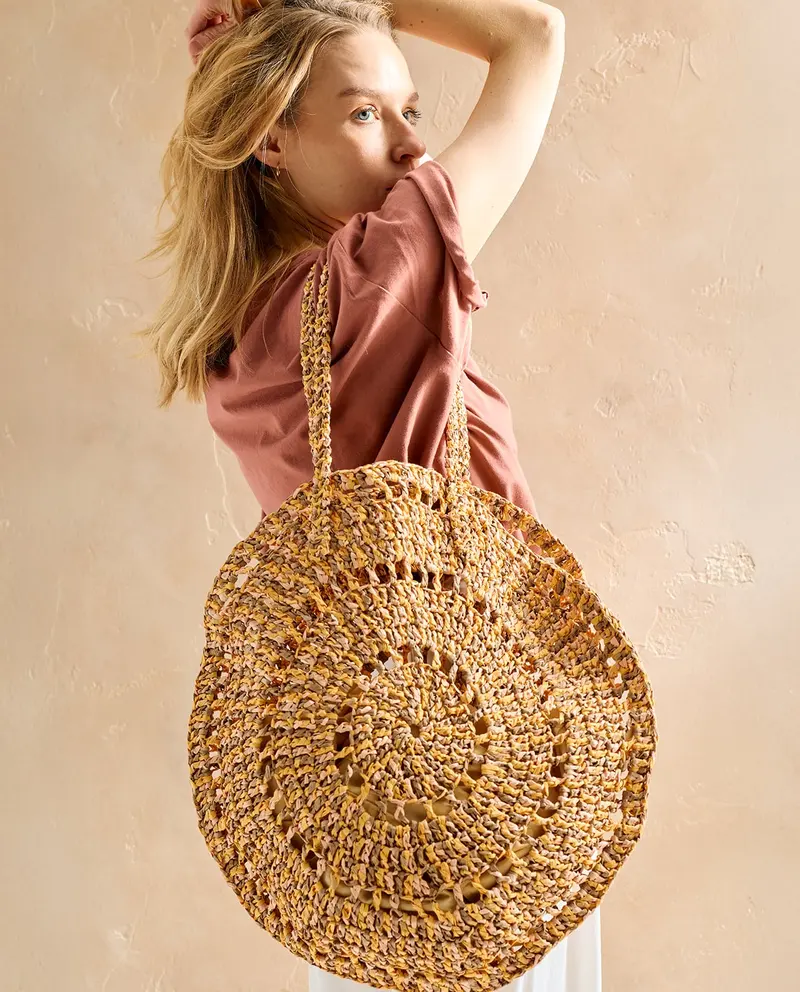
Towels, sunscreen, water bottle, book, kids' snacks, spare sunglasses: a day at the beach is a logistical exercise. And to carry everything without battling a too-small bag, nothing beats a good XXL tote. The kind of bag you throw everything into without thinking twice, and that goes everywhere: from the beach to the market, and even the Sunday picnic.
Good news: this is also one of the simplest crochet projects around. A base, sides, handles, and it's done. We'll give you the complete pattern.



Why Crochet Your Beach Bag
Beach totes in stores can cost between €30 and €80 for basic ones, and often more for handmade models. Yours will cost you between €15 and €25 in yarn, with exactly the size, color, and style you want. A wide enough base to lay a towel flat? Long handles to sling over the shoulder? You decide it all.
It's also a project that progresses quickly. With thick yarn and a large crochet hook, the tote can be made in a weekend. Perfect for those who like to see their work progress rapidly without spending three months on the same project.
Materials
The yarn. For a beach bag, it has to be sturdy. Thick cotton (type aran or bulky, crochet 5 to 6 mm) is the most versatile choice: it doesn't stretch under weight, dries quickly if wet, and is washable. Recycled cotton yarn is also an excellent option, solid and eco-friendly. For a more summer-like and textured result, synthetic raffia or ribbon yarn works well, but know that the bag will be a bit more rigid and won't wash as easily.
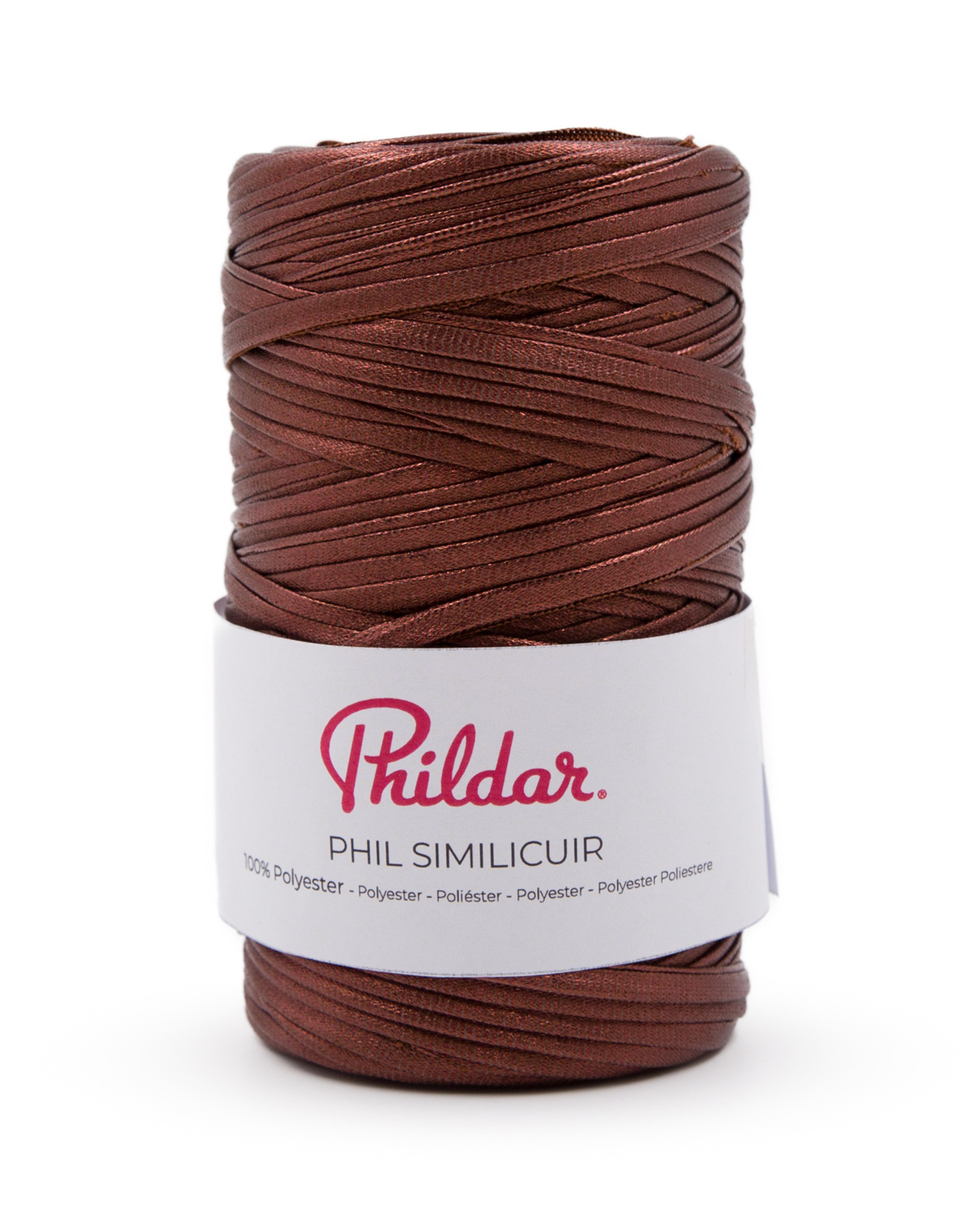
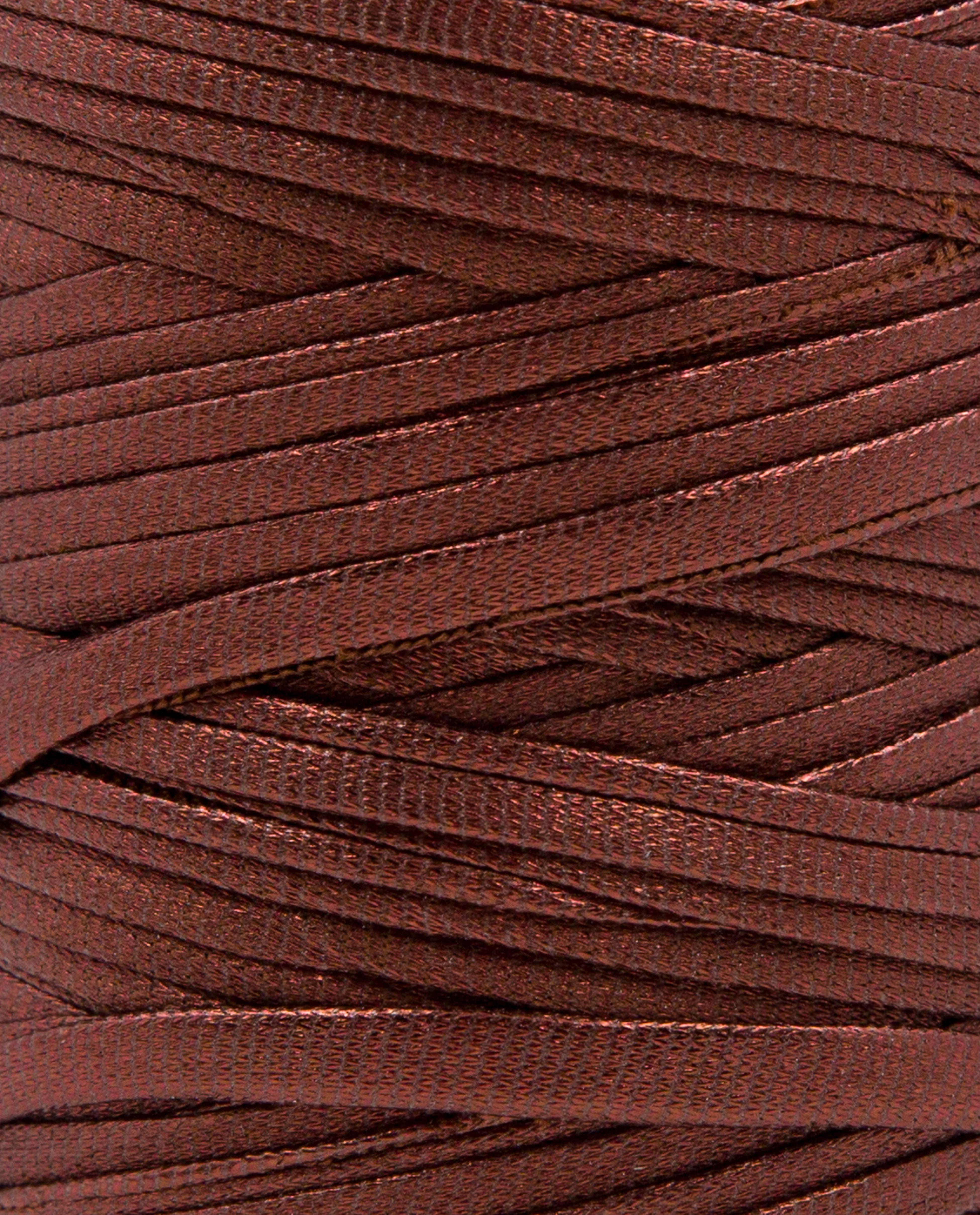
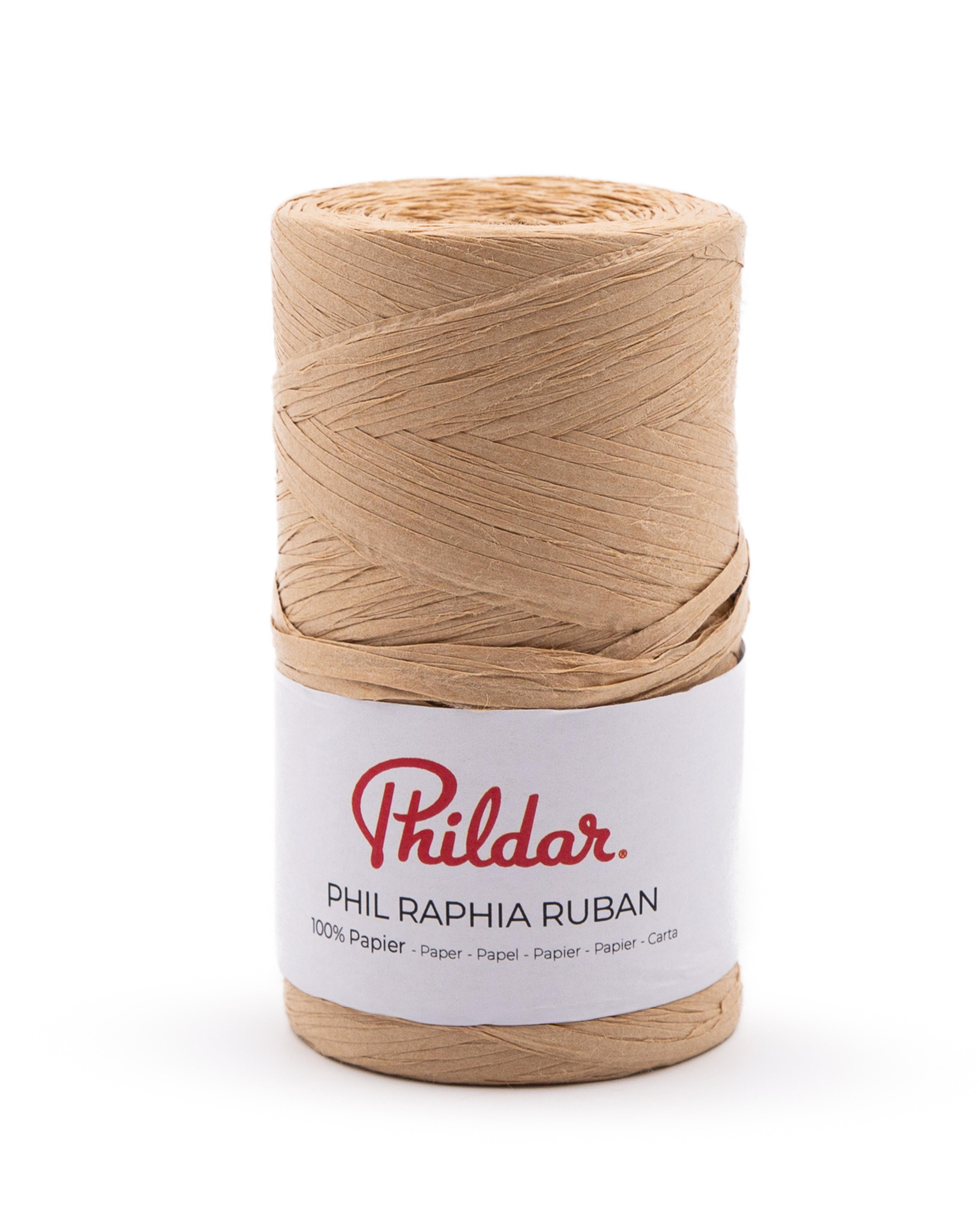
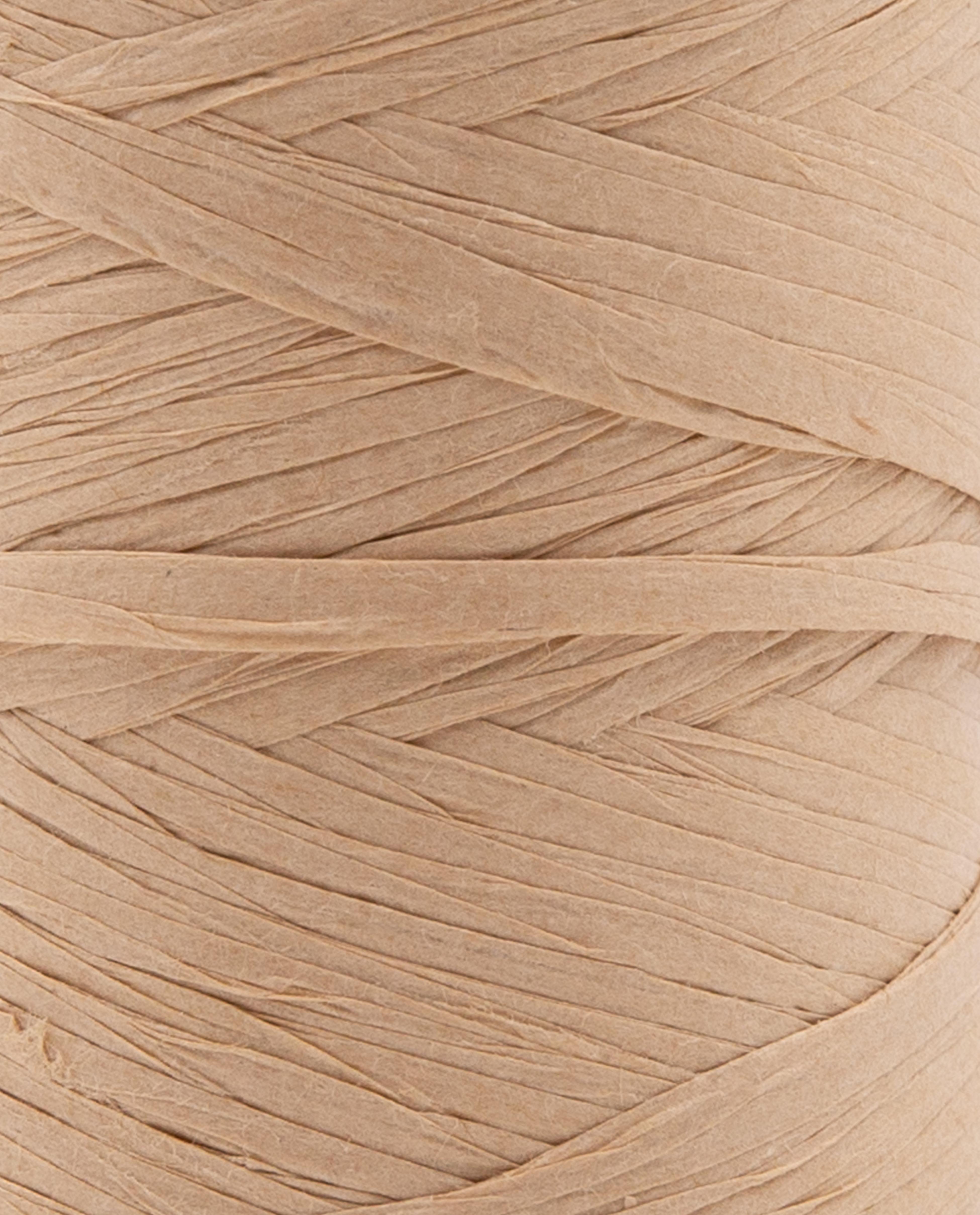
Expect to use 300 to 500 g of yarn depending on stitch density and desired size. For a true XXL tote (45 × 35 × 15 cm), start with 400 to 500 g. Always buy one extra skein: better to have a little leftover than run short at the end of the project.
The crochet hook. A hook of 5 to 6 mm for thick cotton, 6 to 7 mm for ribbon yarn or hook. The idea is to create a dense fabric that lets nothing through while remaining flexible. Make a quick swatch before starting.
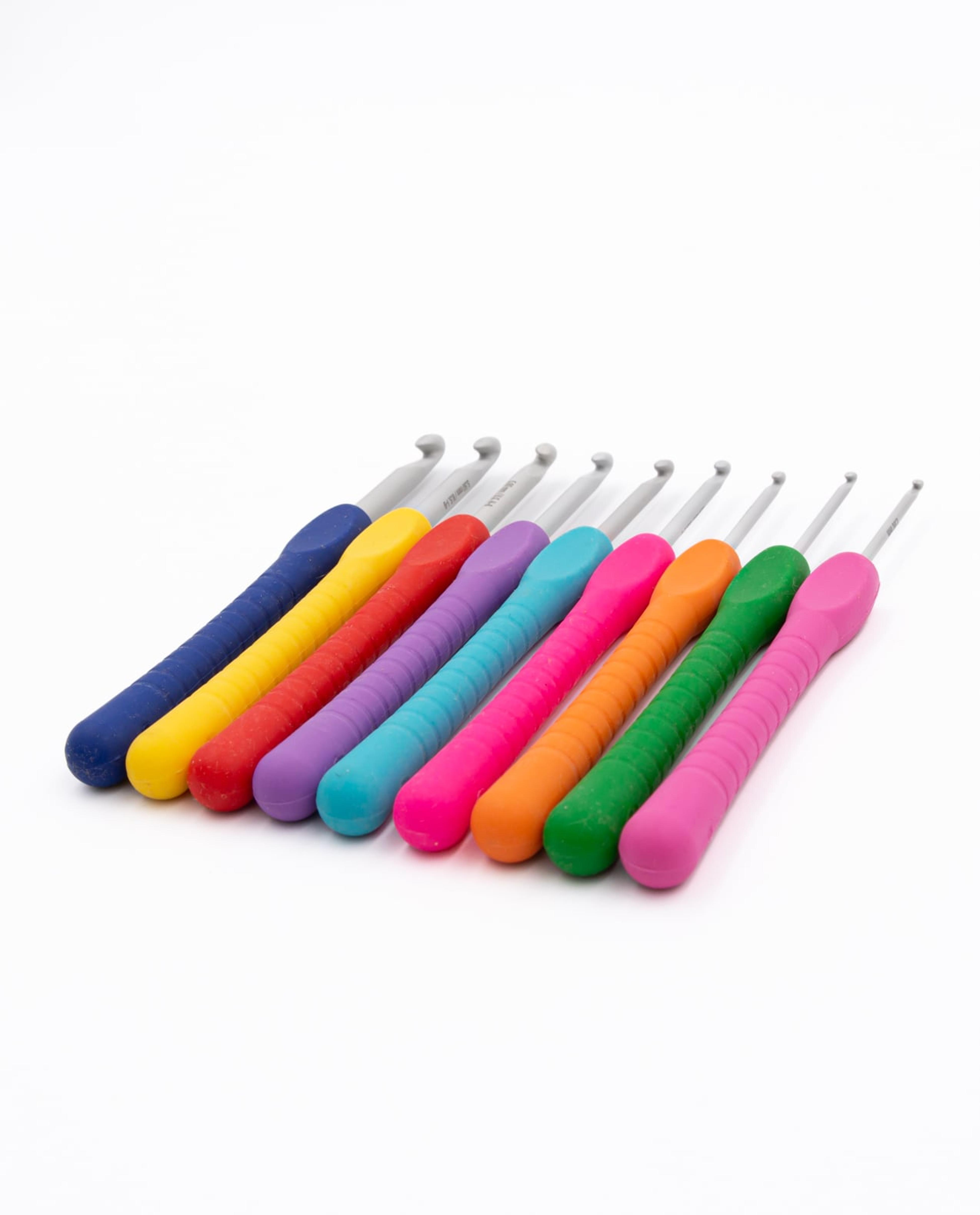
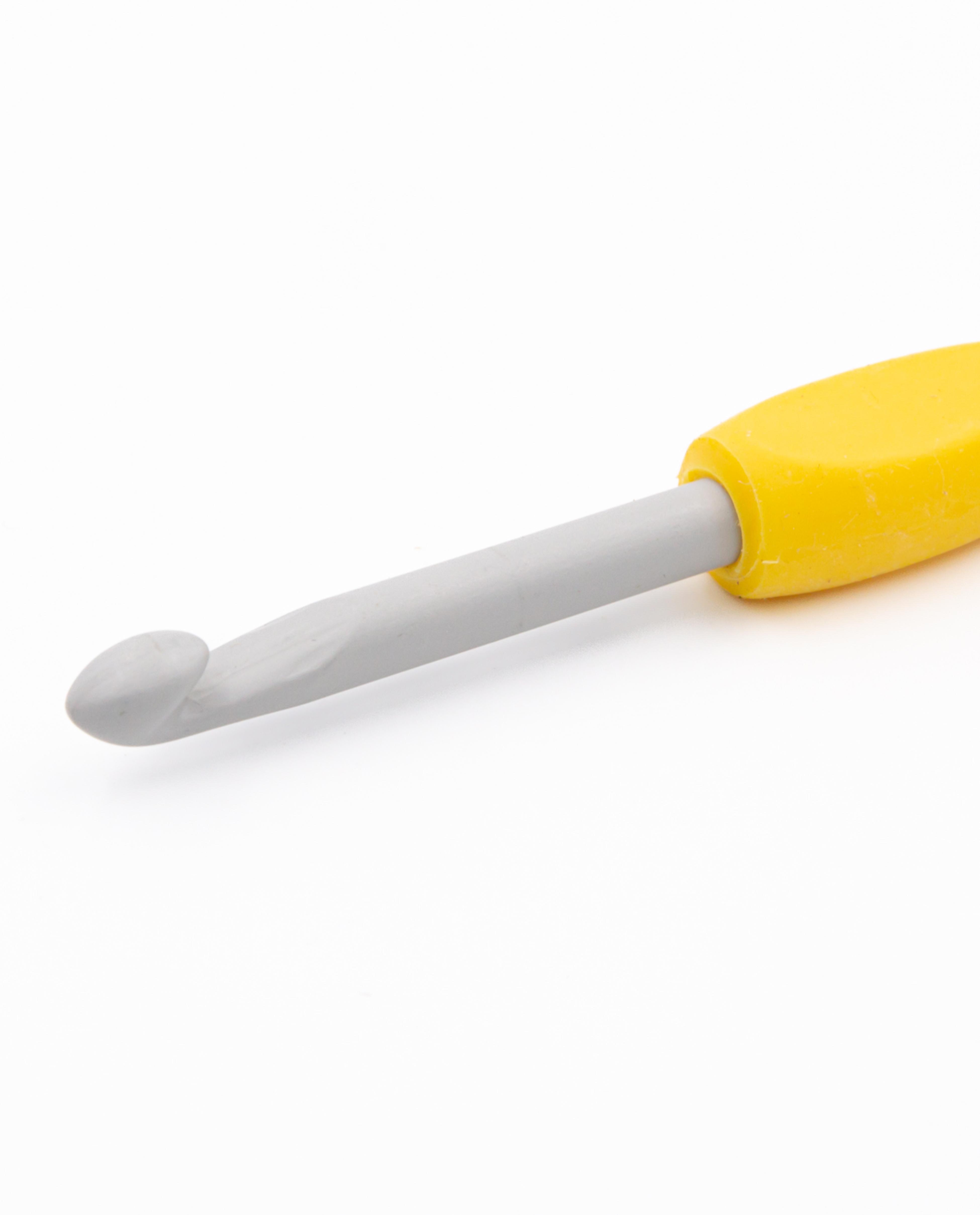
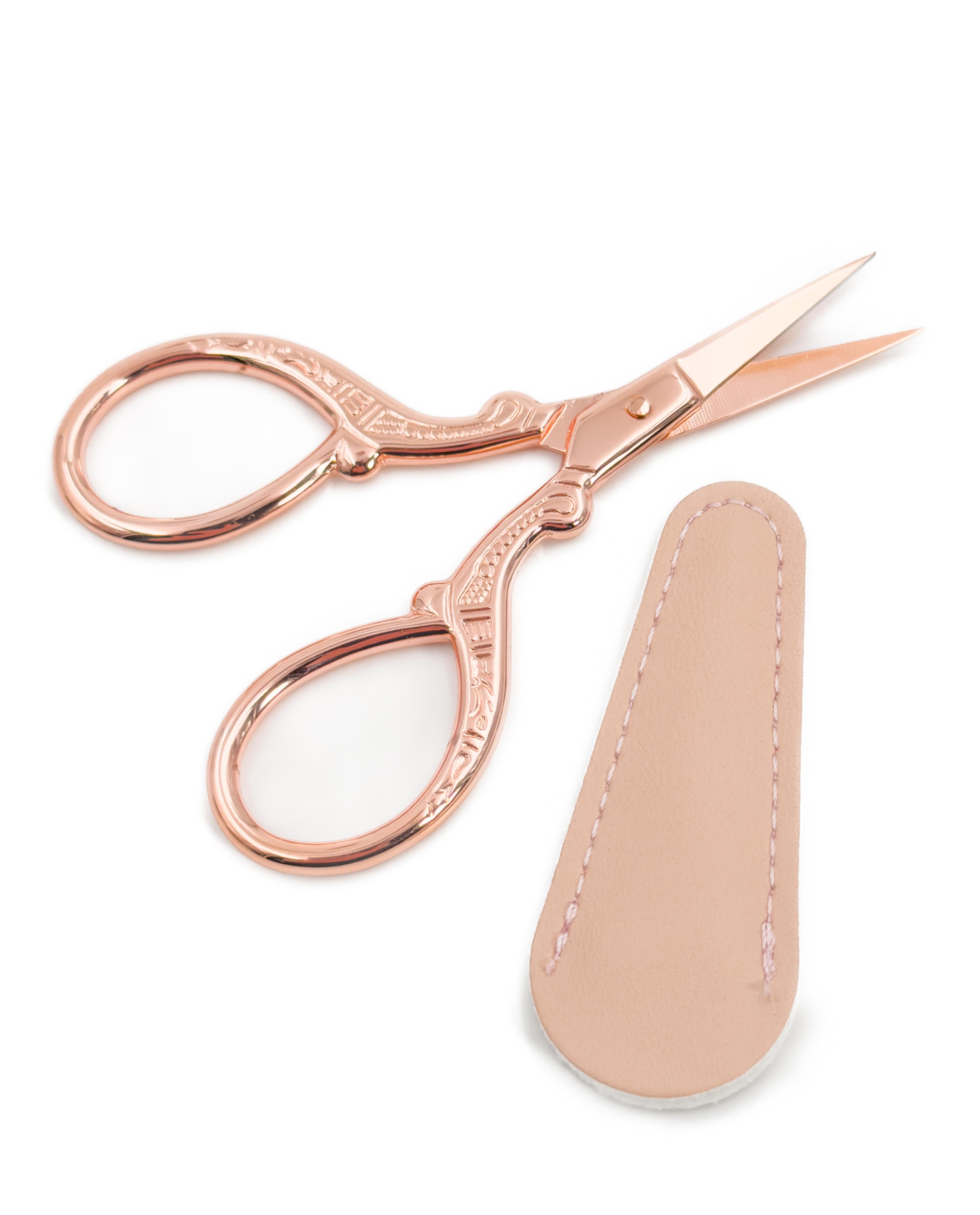
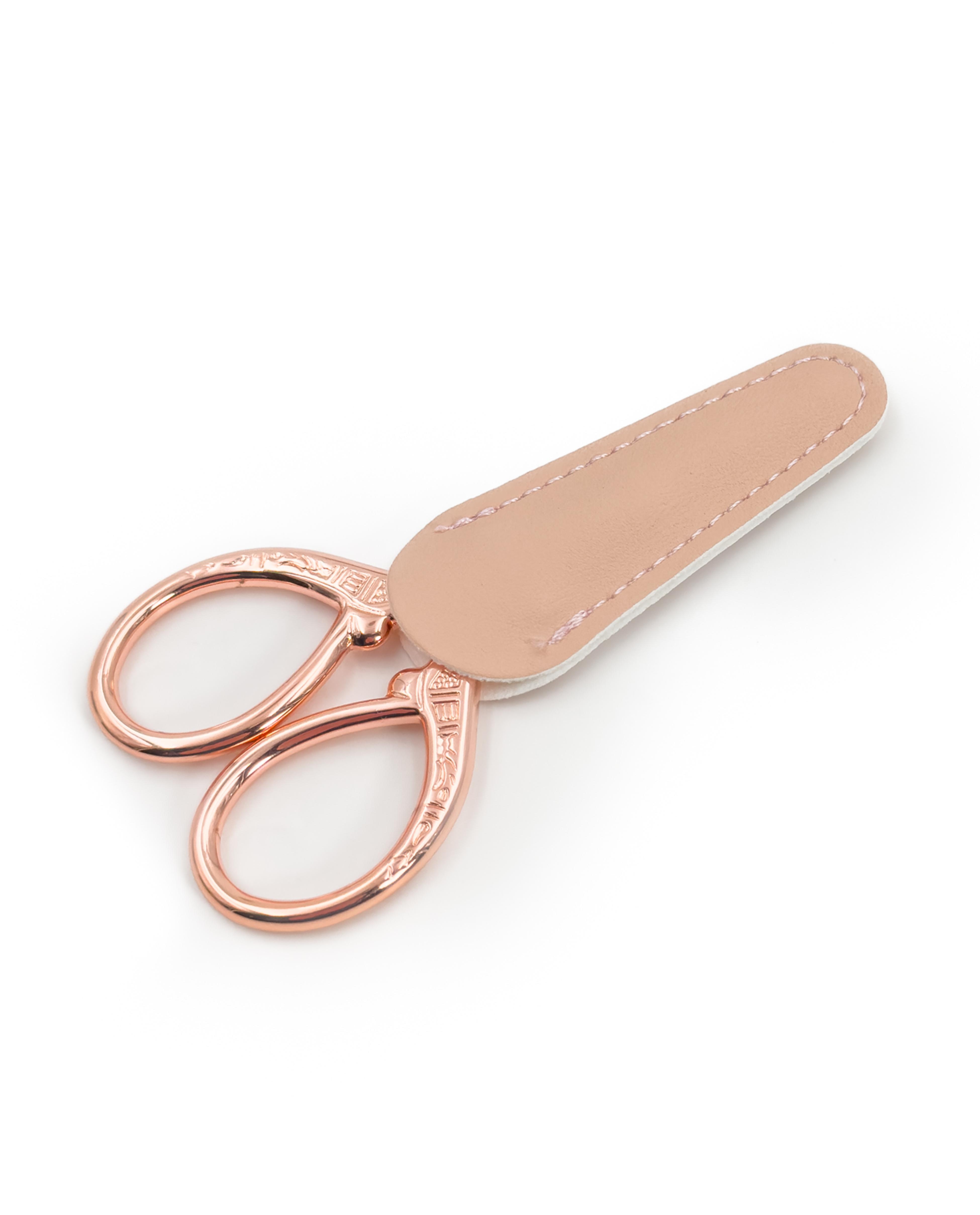
Accessories. Stitch marker, scissors, yarn needle, tape measure. And for finishing: fabric for the inner lining (highly recommended for a beach bag). Find everything in our haberdashery section.
Step-by-Step Pattern
The Base
The base gives the bag its shape. For a rectangular tote, begin with a chain of 35 to 40 stitches (depending on your tension). Crochet single stitches all along, then make 3 stitches in the last stitch to turn the corner. Continue along the underside of the chain, 3 stitches in the last stitch, and close with a slip stitch.
You have an oval. Continue in a spiral for 3 to 4 rounds, increasing at both ends to keep the base flat. Lay it on a table regularly: it should stay perfectly flat. If it ruffles, too many increases. If it forms a bowl, more are needed.
The finished base should measure about 35 × 15 cm for a standard tote, or 45 × 18 cm for the XXL version.
The Sides
Once the base is the right size, stop increasing and simply continue in rounds, tour after tour, in single crochets. The walls rise on their own. Place a marker at the start of each round to keep track (no pun intended).
Aim for 30 to 35 cm in height for a beach tote. It's deep enough to fit a rolled-up towel, a beach kit, and a book without anything sticking out. If you prefer a more urban bag, 25 cm is enough.
Check the circumference every 5 or 6 rounds. It should remain constant. If the bag tightens, you are crocheting too tightly. If it flares out, ease up on the tension.
The Edge
Reach the right height, make 2 to 3 more rounds of single crochets to thicken the top of the bag. This edge reinforces the opening and prevents the bag from sagging when loaded. A small detail that makes a big difference to the overall hold.
The Handles
The handles make or break a beach bag. Too short, impossible to sling over the shoulder. Too thin, they cut. Here's how to crochet them right.
Locate the placements: for a 45 cm wide bag, place the handles approximately 12 to 15 cm from the edges on each side. On the last round of the edge, when reaching the first handle location, make a chain of 25 to 30 stitches (for a shoulder handle about 60 cm long), skip the same number of stitches on the bag, and resume with single crochets. Make the second handle on the other side, symmetrically.
In the next round, crochet single stitches all along the chains to thicken the handles. Make 2 to 3 more rounds over the entire bag (including handles) to fortify it. Well-thickened handles (3 to 4 layers of single stitches) are comfortable and won't break under weight.
The Lining: The Extra that Changes Everything
A beach tote without a lining works. But with a fabric lining, it's better. It prevents sand and small items from slipping through the stitches, protects the contents, and adds an inner pocket for keys and phone.
Choose a light cotton or fairly flexible canvas. Cut a rectangle to the inside dimensions of the bag (with a 1 cm seam allowance), sew the sides and the bottom, then secure the lining inside the bag with discreet stitches along the edge. If you want a pocket, sew it onto the lining before installing.
The lining fabric is also an opportunity to add a hidden personal touch. Marine stripes, tropical patterns, floral cotton: the little pleasure that reveals itself every time the bag is opened.
Customizing Your Tote
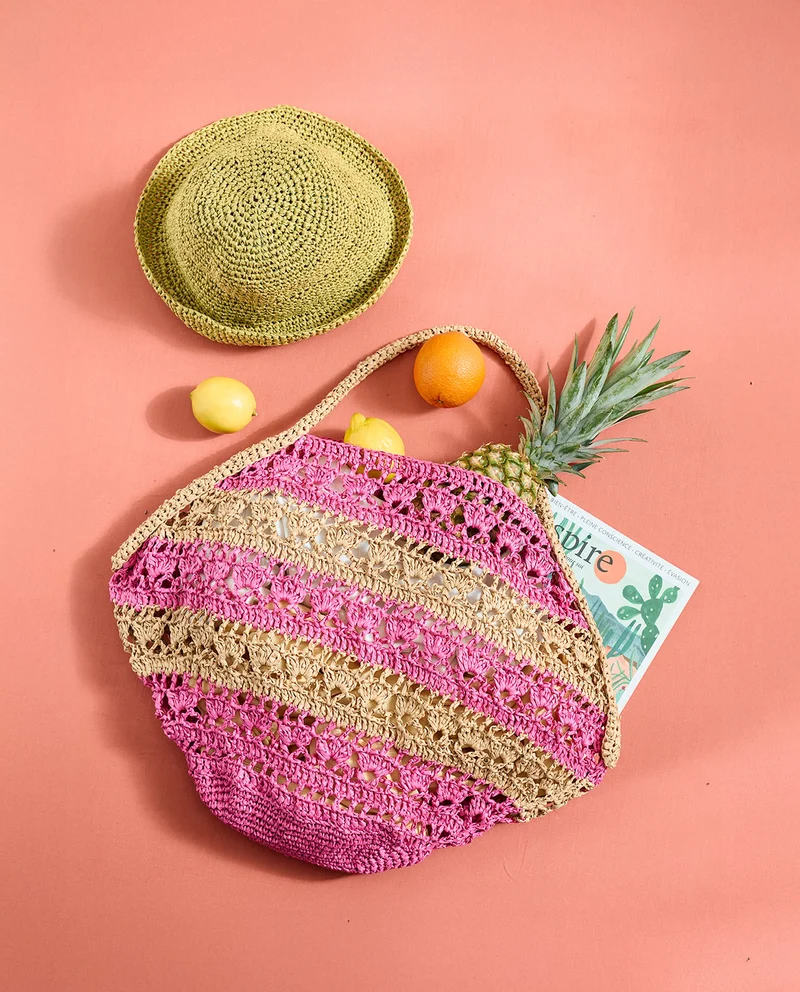
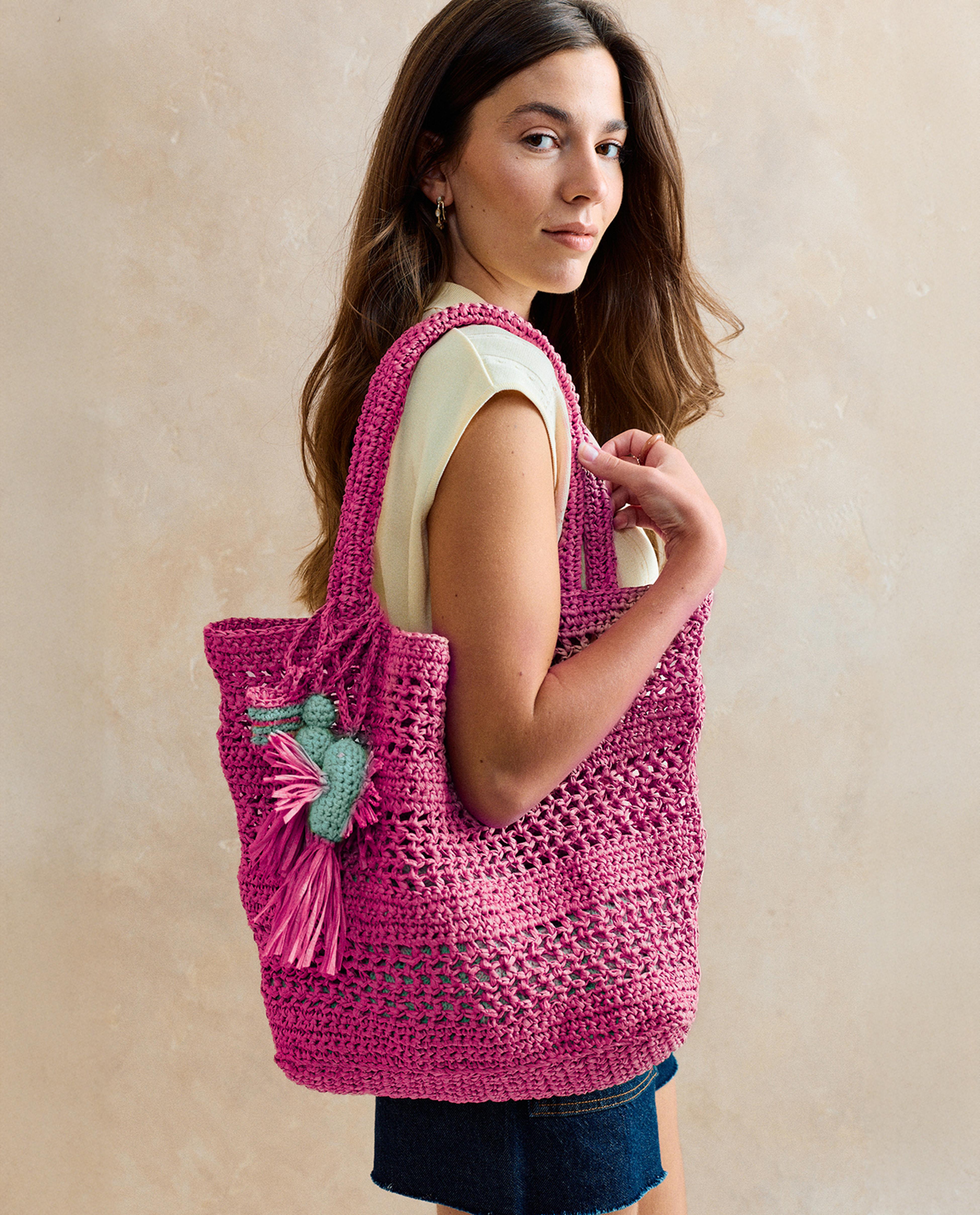
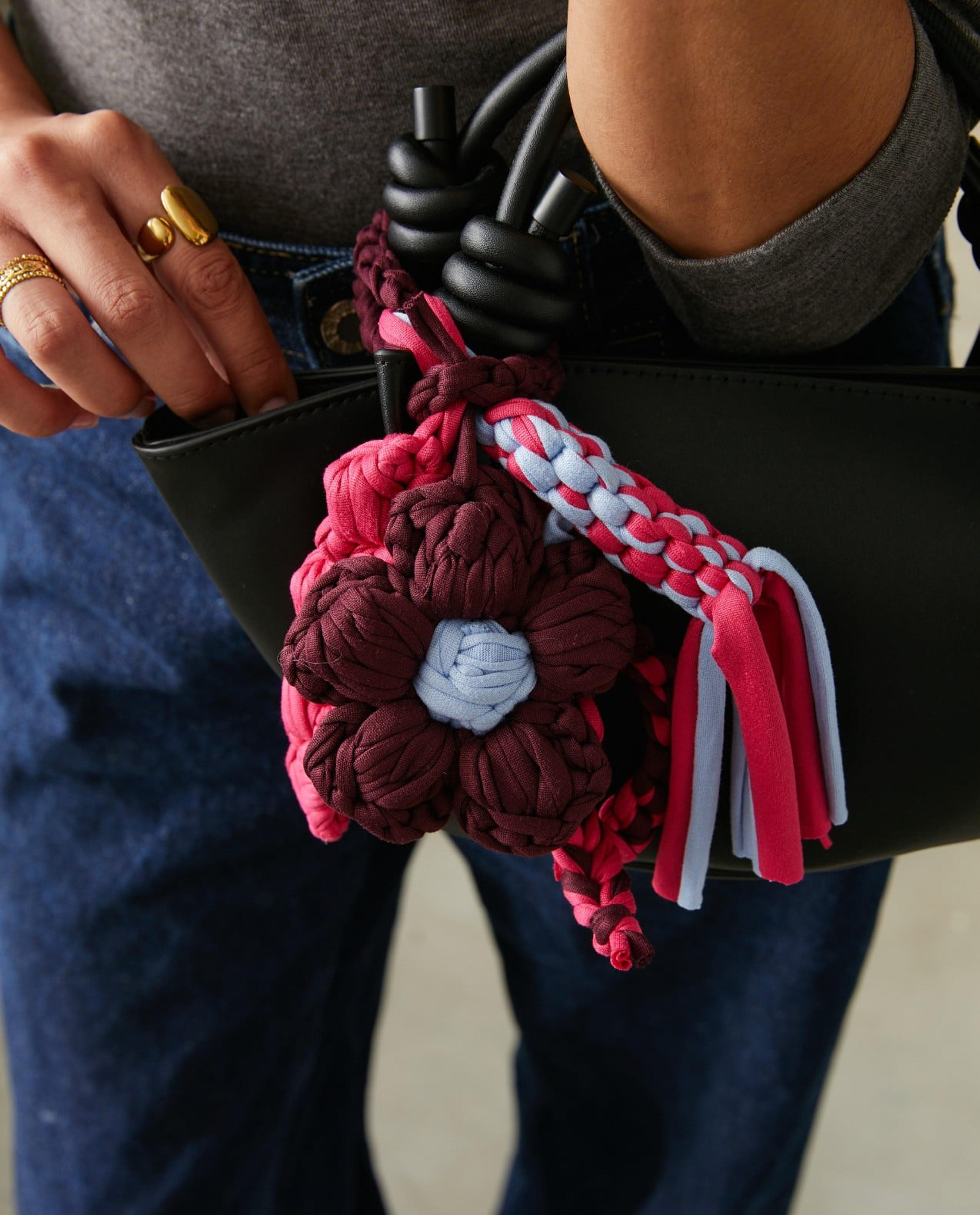
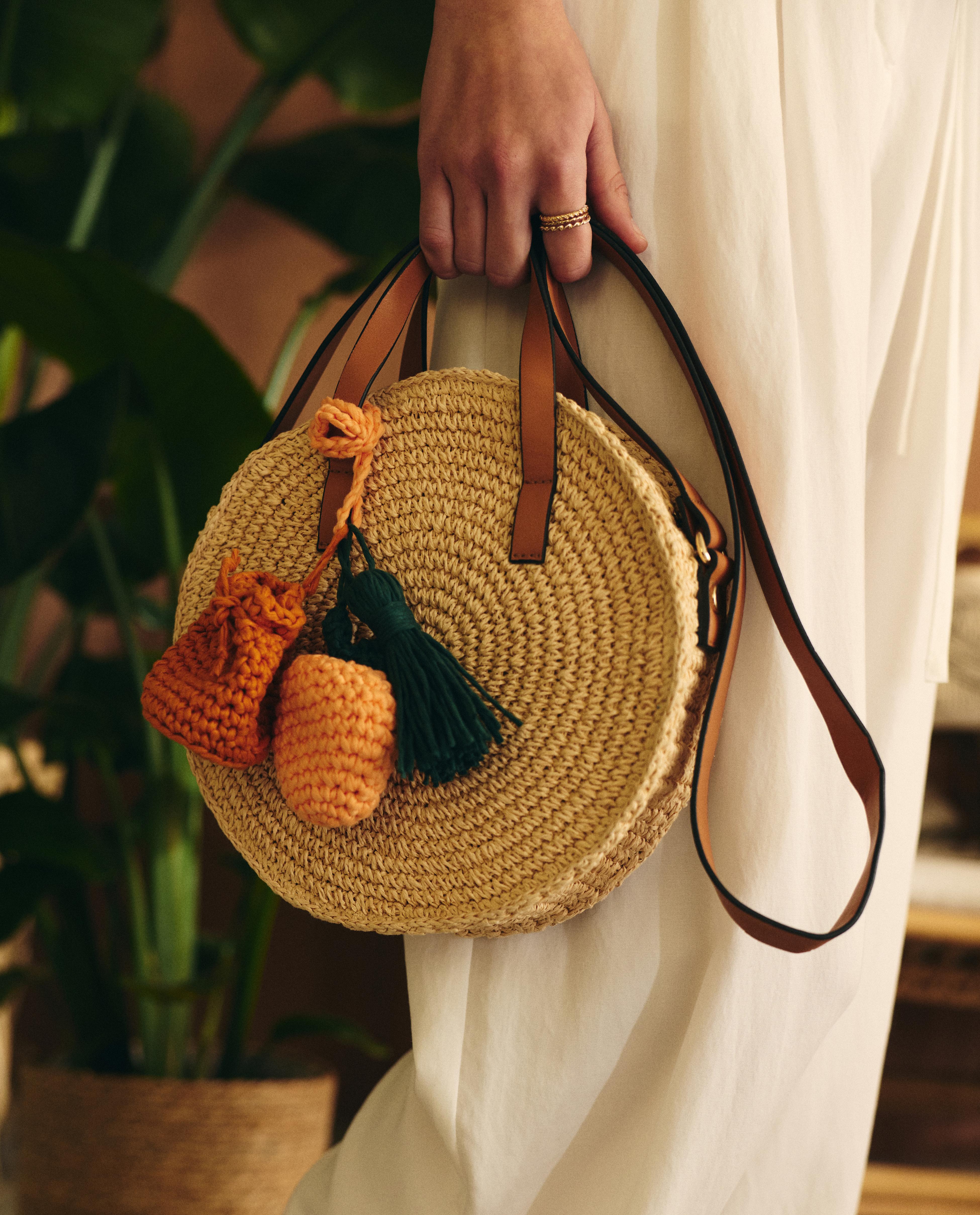
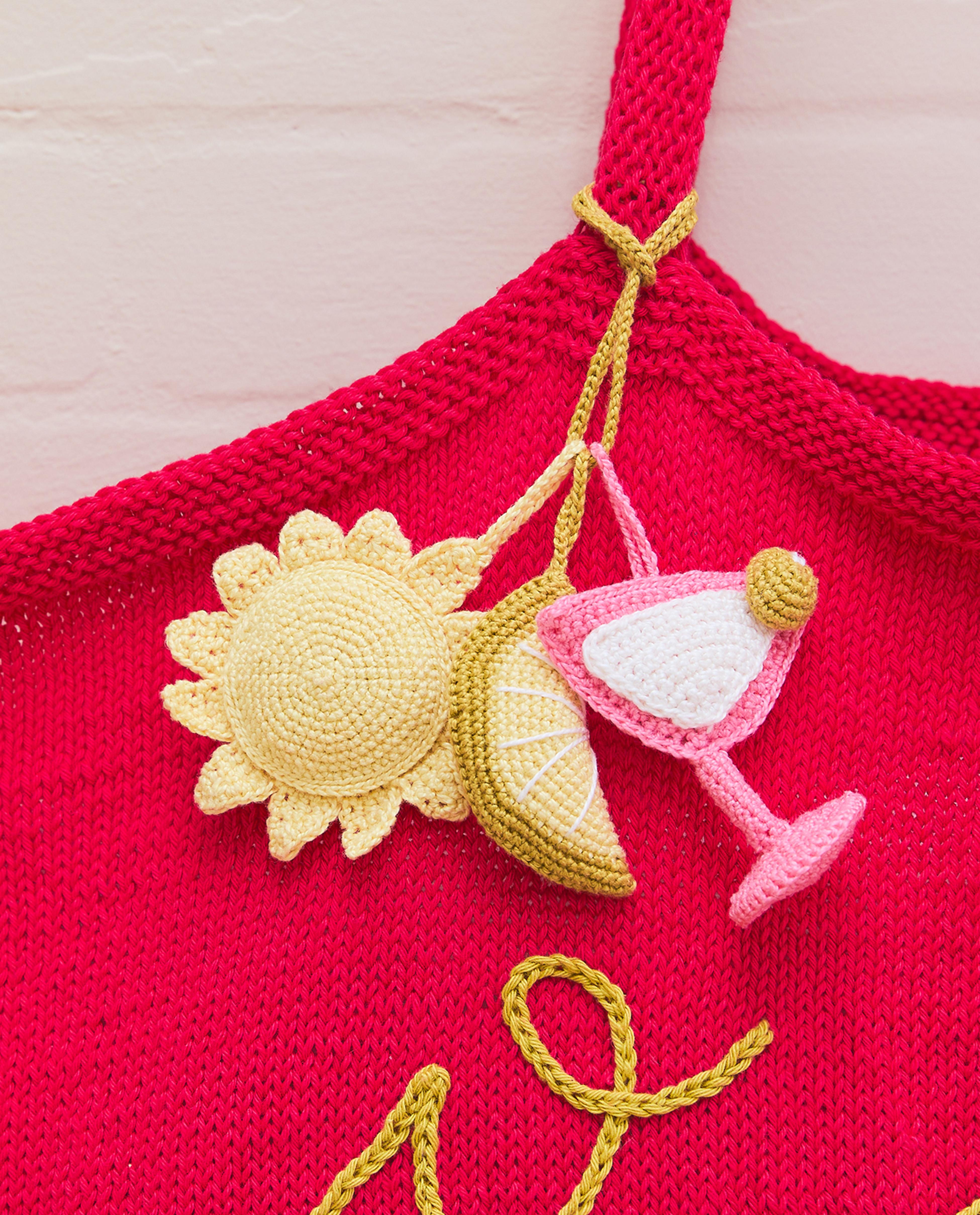
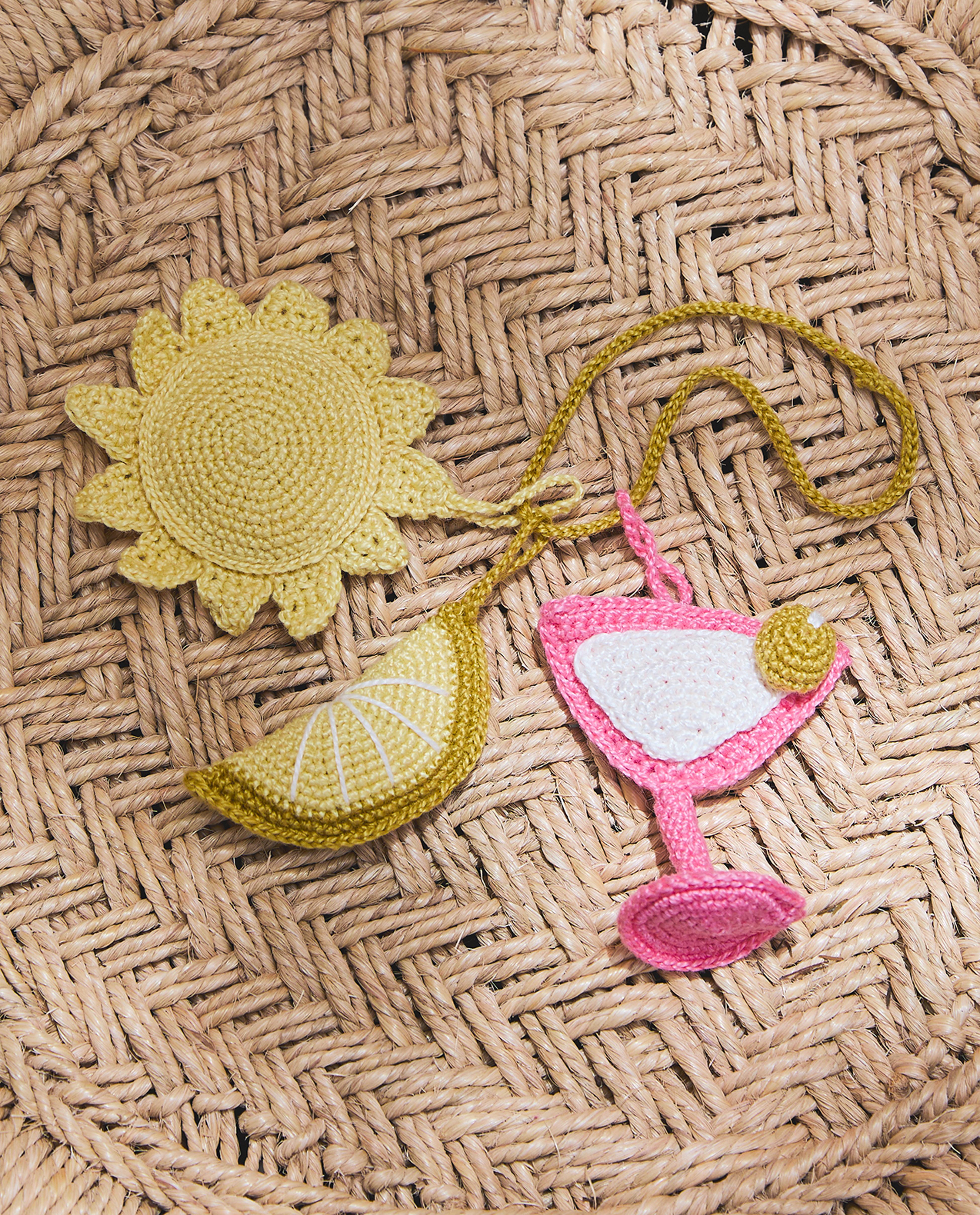
A plain tote in ecru cotton is timeless. But if you want a bag that draws attention, here are some simple ideas. Horizontal stripes alternating two colours every 3 to 5 rounds. A color block with a contrasting base (natural at the bottom, coral at the top, for example). Tassels or fringes attached to the handles. Or a small crocheted flower pinned to the front.
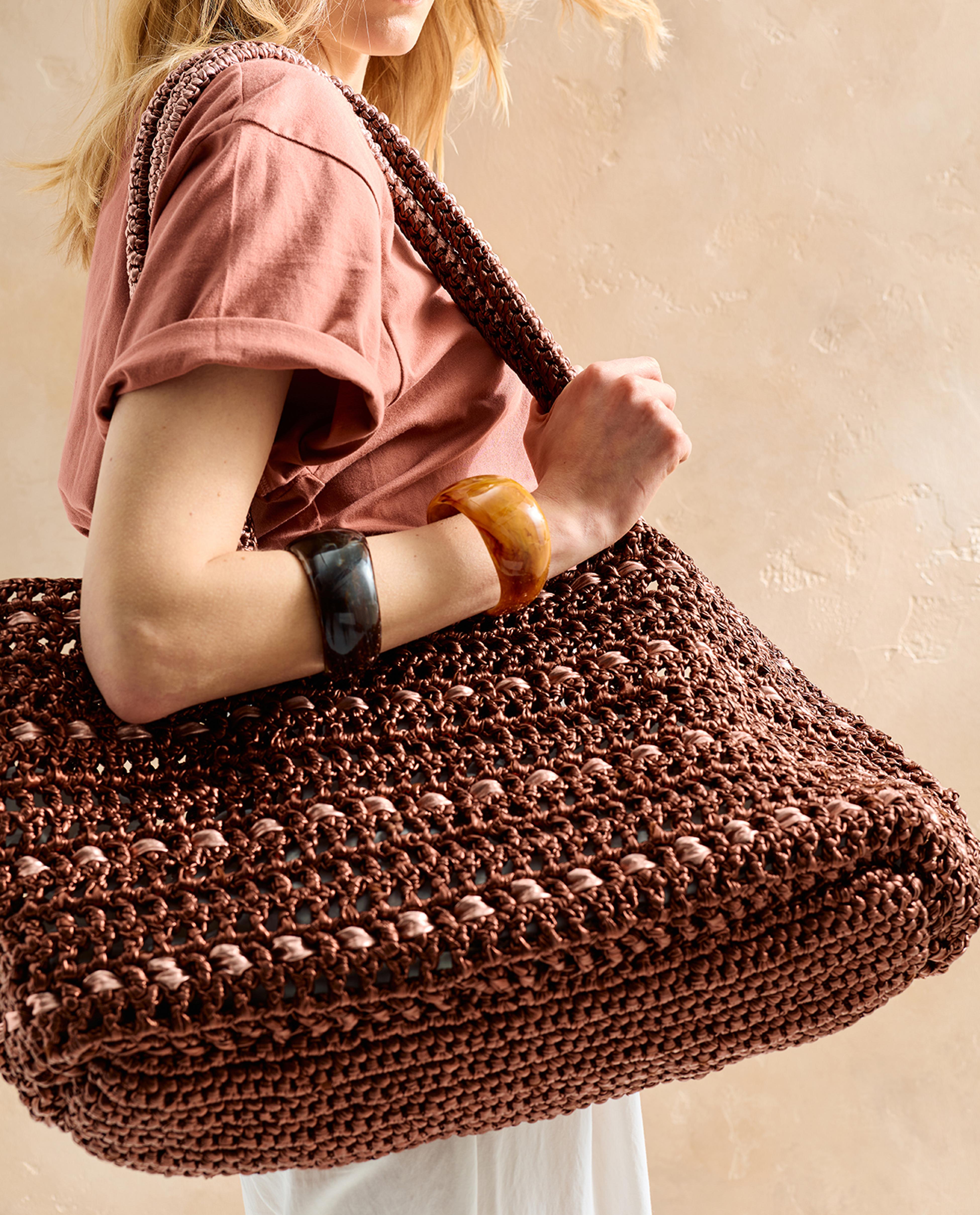
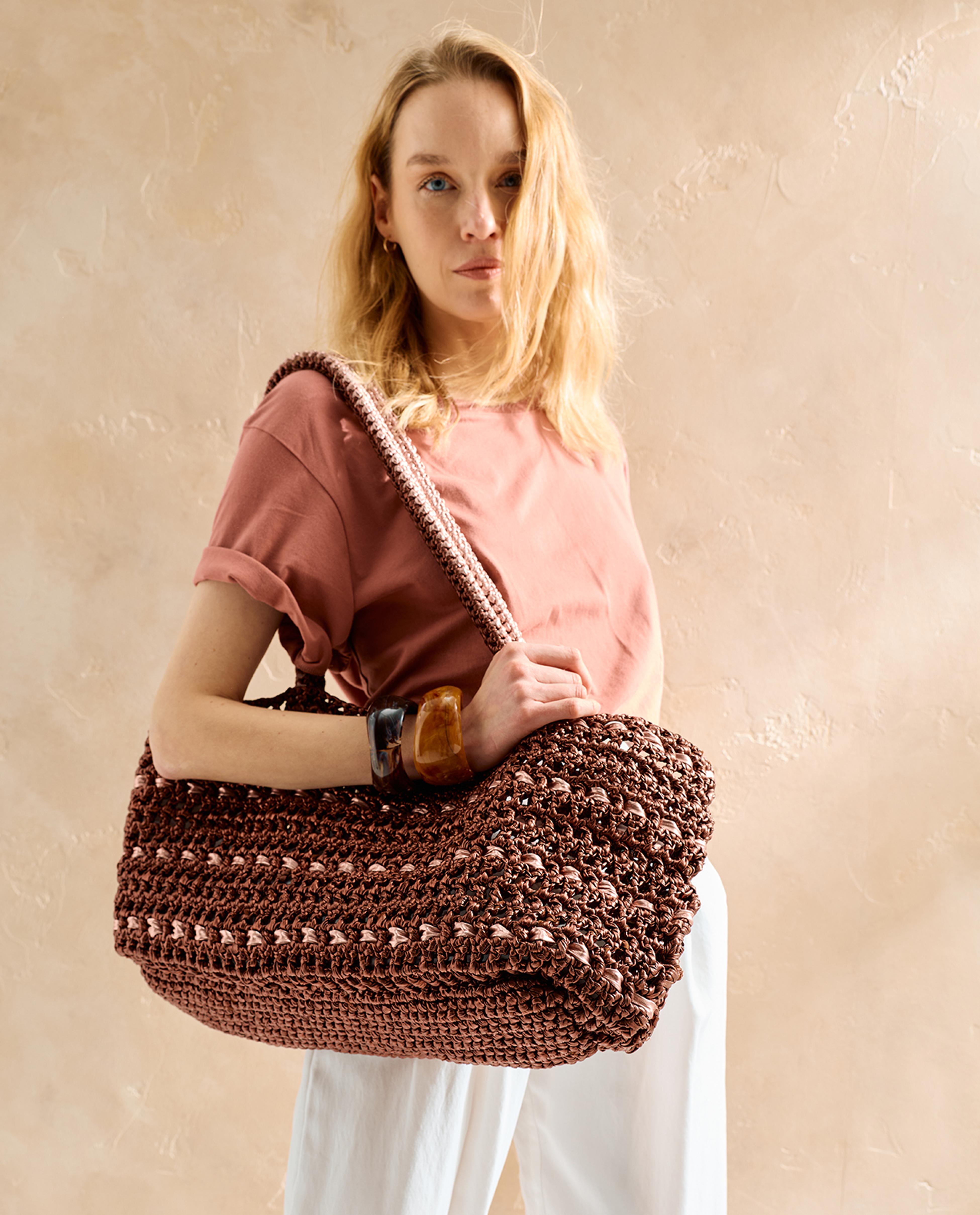
For crocheters who enjoy challenges, a body in single stitches with a band of openwork stitches mid-height lightens the look and adds character, while maintaining the bag's solidity with dense sections above and below.
Frequently asked questions
- Which yarn to choose for a durable beach bag?
Thick cotton (aran or bulky) is the most reliable: strong, washable, it dries quickly and doesn’t stretch. Recycled cotton yarn offers the same qualities with an eco-friendly bonus. Avoid wool (it stretches and takes forever to dry) and pure acrylic (which tends to deform under weight). Discover our selection of yarn and wool in the shop.
- How long does it take to crochet an XXL tote bag?
Allocate 12 to 18 hours for a 45 × 35 cm tote bag in tight stitches, lining not included. With thick yarn and a 6 mm crochet hook, the work progresses quickly. It's a project that can be completed in an intensive weekend or over the course of a week by dedicating 2 to 3 hours each evening.
- How to reinforce the bottom of the bag?
Several options. Crochet the base in very dense slip stitches (half a millimetre less hook than for the sides). Slip a rectangle of stiff cardboard or plastic into the lining. Or sew a piece of faux leather to the base on the inside. This last option is the most durable and gives a very professional finish.
- Can a crochet beach bag be washed?
Yes, if it is made of cotton. Machine wash at 30°C in a laundry bag, then dry flat to maintain its shape. If you've added a lining, ensure the fabric is also machine washable. For a raffia bag, machine washing is not recommended: brush it dry and allow it to air out after each use.